 |
 |
 |
 |
 |
 |
 |
 |
 |
|||
 |
 |
|
|||||||
 |
|||||||
 |
|||||||
 |
|||||||
 |
|||||||
|
|||||||






|
||||||
 |
||||||
 |
||||||
 |
||||||
|






 |
 |
 |
 |
 |
 |
 |
auto service and repair insurance expectations and practical savingsUnexpected repairs can derail budgets. Coverage that targets parts and labor can steady the plan. Aim for clear terms, predictable costs, and measured confidence. Modest optimism is healthy; certainty is not. What this coverage usually addresses
None of this replaces maintenance. You still change fluids, filters, belts. Good habits protect savings and reduce claim friction. Common exclusions to set expectations
How it fits with warranties and roadside plansFactory warranties pay first while active. After they end, your policy can step in for eligible failures. Roadside memberships overlap on towing; avoid paying twice. If there's overlap, the policy with primary status pays first. Costs, deductibles, and limitsPremiums track vehicle age, mileage, and reliability history. Higher deductibles usually lower cost but push more expense to you at claim time. Many policies include per-visit deductibles and per-component or aggregate limits. Read the limit math; that's where your true risk exposure lives. Make savings a priority
A grounded moment from real lifeOn a wet Thursday, Lena's dashboard lit up and the power steering went heavy. Her shop traced it to a failed alternator. The provider pre-authorized within the hour, covered parts and a chunk of labor, and she paid the deductible along with a small belt add-on. She was back on the road by mid-afternoon, weekend plans intact. Not flashy - simply steady help when timing mattered. Filing a claim without drama
When coverage tends to make sense
When it may not
Questions that clarify value
Set expectations, protect cash flow, and let disciplined choices lead. With realistic terms and a calm approach, auto service and repair insurance can serve a practical role - quietly preserving savings while keeping mobility a continuing priority.
Main Topic:
Auto Repair Insurance
https://www.amfam.com/insurance/business/coverages/auto-service-and-repair-shop
American Family's auto service and repair shop program is powered by coverages that provide custom-built protection for the needs of garage keepers who repair ... https://autoleap.com/blog/types-insurance-auto-repair-shops/
There are several reasons to get auto repair shop insurance. It protects your finances against common risks such as theft, lawsuits, and other damage. https://carshield.com/
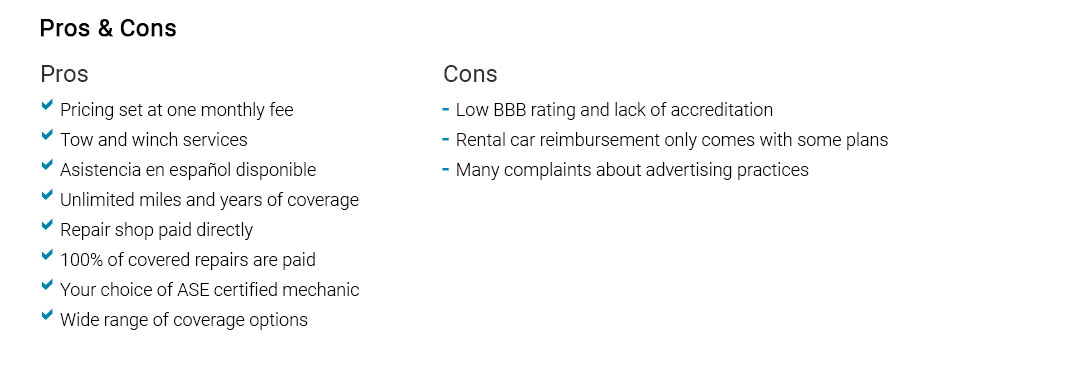
A vehicle service contract through CarShield is relatively inexpensive, and includes additional services you'll need to survive a major car repair.
|
